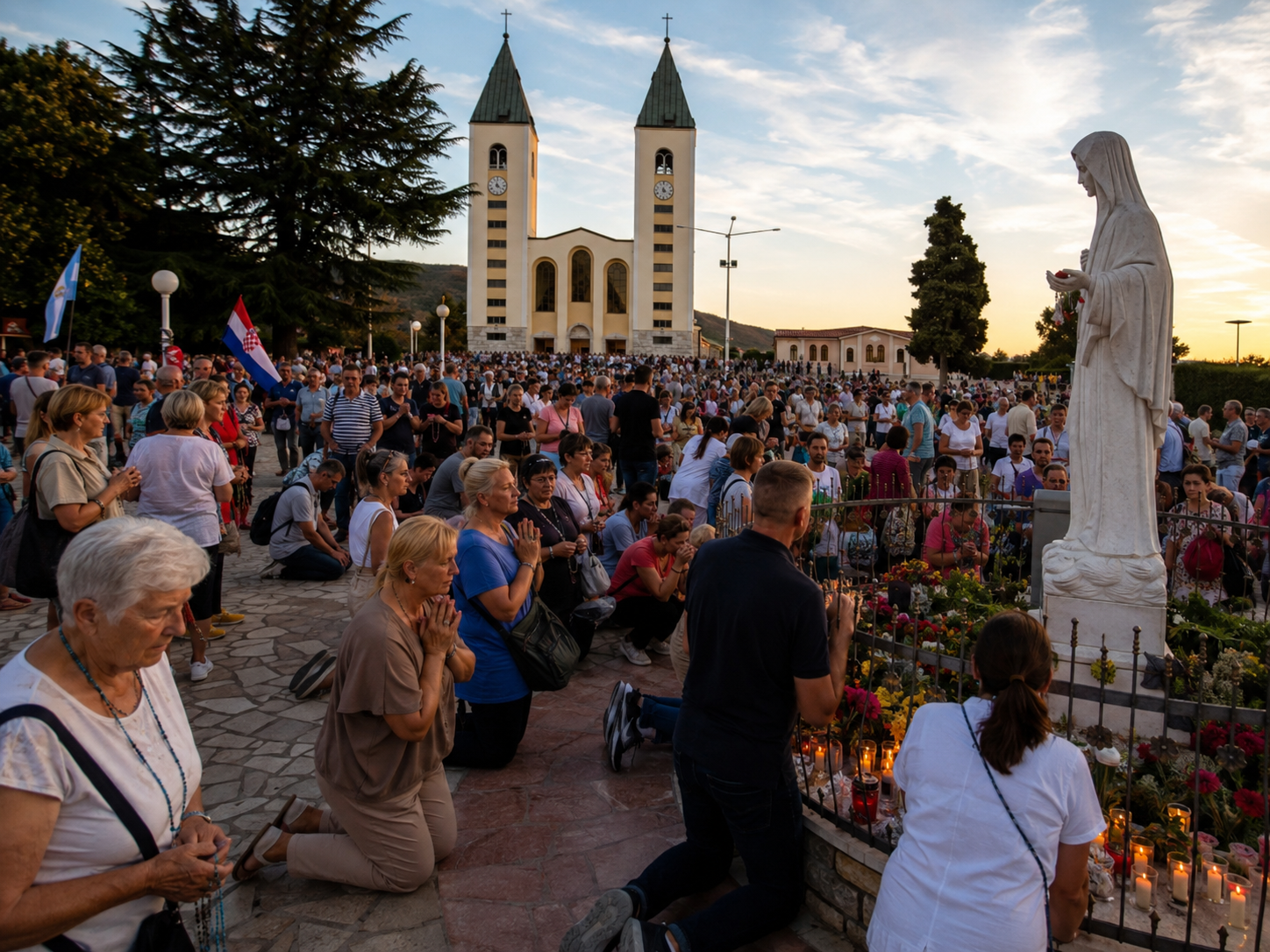
Exactly 45 years ago, on a sunny afternoon, six young people said they had seen the Gospa — the Virgin Mary — in a small village in Bosnia and Herzegovina: Medjugorje.
From that day until today, those same young people have continued to say that they are witnesses to the same experience, albeit with different rhythms and circumstances. They continue to claim that they see the Mother of God.
Since June 24, 1981, an enormous amount has happened. And even now that — in some ways, the Medjugorje case appears to have been addressed institutionally — the two opposing camps, believers and skeptics, remain fiercely divided.
I have worked on Medjugorje extensively. I was the first to publish the most serious and in-depth study ever carried out on this phenomenon: the work of the Pontifical International Commission of Inquiry, chaired by Cardinal Camillo Ruini, whose final secret report I later published.
Anyone who has studied those thousands of pages knows very well the commitment and attention Cardinal Ruini devoted to the Medjugorje dossier.
What follows comes from a confidential letter dated April 11, 2016, in which Ruini set out his own votum on the phenomenon, as requested by Pope Francis.
As I have documented, two different institutional forces confronted each other over Medjugorje: on one side the Pontifical Commission established by Pope Benedict XVI; on the other, the Congregation for the Doctrine of the Faith.
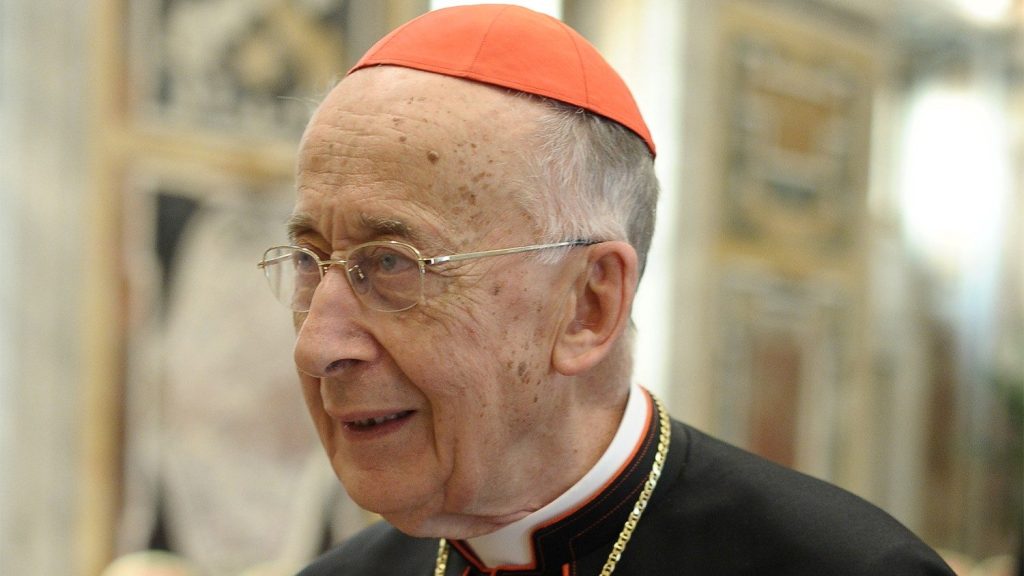
“From my meetings with Pope Ratzinger,” Ruini wrote, “it emerges that he was fully aware of the problems, but his assessment differed sharply from that proposed by the Cardinal Prefect and his collaborators.”
Ruini continued: “In particular, Benedict XVI believed that the Bishop of Mostar-Duvno, Bishop Perić, with his rigidly closed attitude, represented a serious obstacle to the pastoral care of the phenomenon, whereas the Cardinal Prefect appeared to share the position of that bishop.”
Taken together, these elements raise a reasonable question: did the Cardinal Prefect, in practice, attempt — awkwardly and unsuccessfully — to influence the Commission’s work or even to intimidate it, beyond what was appropriate or reasonable?
Think about what that means: someone may have tried to pressure the Commission chaired by Ruini.
In the following days, I announced that I would publish the various vota expressed by cardinals and archbishops on the Medjugorje phenomenon.
I said there would be surprises.
Originally published in Italian on Il Segno di Giona on June 24, 2026.
Read the full Vatican investigation and Ruini Commission background
READ THE FULL VATICAN DOSSIER
David Murgia’s investigation into the confidential Vatican documentation on Medjugorje is available in three editions on Amazon.com.
ABOUT THE AUTHOR
David Murgia is an Italian journalist, author and member of the Pontifical International Marian Academy. His investigations have brought to light the world of self-styled holy men and false healers. The New York Times described him as a “formidable investigator of the sacred.” A commentator for Rai and Mediaset, he was the first journalist in the world to publish in full the secret Vatican dossier on Medjugorje. He lives and works in Rome.

